





 Free Shipping
 60 Day Trial



Beard vs. No Beard: Pros, Cons, and How to Choose What Works for You

Standing in front of the mirror wondering whether to keep growing or reach for the razor? The beard vs no beard decision touches your skin, your routine, and your confidence. Here's what actually separates the two, so you can pick what fits your life.
Key Takeaways
- A beard adds jawline definition but traps oil, sweat, and bacteria if you skip regular cleansing.
- Clean shaven cuts grooming time and gives cleaner skincare access, but raises the risk of razor bumps.
- Beard growth speed and thickness come mostly from genetics and hormones, not age alone.
- Consistent skin care makes the biggest difference in how healthy you look, beard or not.
Beard vs. No Beard: Which Option Fits You Best?
There's no universally “better” choice when it comes to beard or no beard. It's about what suits your face shape, your skin, and your schedule. A beard that looks great on a friend might leave your jawline patchy or your skin irritated, so the goal is finding the version of "well-groomed" that works for you.
Here's what to weigh when deciding between growing a beard and going clean-shaven:
|
Factor |
Beard |
CleanShaven |
|
Daily grooming time |
Higher (trimming, shaping, washing) |
Lower (shave and go) |
|
Skin care access |
Partial — hair blocks some product absorption |
Full — direct access for moisturizer and sunscreen |
|
Common skin issues |
Trapped oil, ingrown hairs underneath |
Razor burn, ingrown hairs from shaving |
|
Coverage for skin texture or scarring |
Yes |
No |
|
Upkeep frequency |
Every few days for trimming and cleansing |
Every 1–3 days for shaving |
The Pros of Growing a Beard
A beard can bring more to the table than just a look:
- Adds structure to a round face or balances out a strong jawline.
- Masks minor skin texture or scarring that a razor would otherwise expose.
- Shields skin from sun and wind and cuts down on razor irritation since you're not shaving daily.
- Feels like part of your identity for a lot of people.
The Cons of Having a Beard
That upside comes with real trade-offs, though:
- Takes upkeep. Without regular washing and trimming, beards trap sweat and oil against your skin, leading to breakouts and ingrown hairs underneath.
- Patchy growth or a neckline that's grown out can look unkempt fast. If you're working on definition, shaving a clean beard neckline is what keeps the lines sharp between trims.
- Can make you look older or heavier, and in some professional settings a beard might not fit the expected image.
- It involves cleanup after each shave. A small thing, but just be careful not to clog the sink with hair.
The 4 Benefits of Staying Clean Shaven
Going razor-first has its own set of upsides:
- Simplifies your morning. No trimming, no shaping, no guesswork about whether your beard looks intentional or just unshaven.
- Gives your skincare routine direct access to your face, so moisturizers and sunscreen absorb more evenly, which helps if you're managing acne-prone skin.
- Reads as more polished in professional settings, and photographs consistently.
- Works with any face shape. There's no growth pattern, patchiness, or neckline shaping to get right.
- A clean-shaven face also pairs naturally with a fully shaved head, since neither one needs the styling a beard does.
The Downsides of Going Without a Beard
Skipping the beard has its own costs too:
- Takes time. Shaving daily or every couple of days carries risks, and razor burn and ingrown hairs grow more common the more often you shave.
- Raises the odds of irritation. Shaving against the grain, or letting hair grow too long between shaves, raises the risk of razor bumps, which happen when shaved hairs curl back into the skin.
- Removes the coverage a beard provides, so any scarring becomes more visible.
- Can feel like a loss of identity at first for some people, at least until they settle into the new look.
How to Decide Between a Beard and No Beard
Start with your skin. Frequent breakouts or ingrown hairs mean a beard could make flare-ups worse unless you commit to daily cleansing underneath it, and dry or sensitive skin can just as easily be aggravated by frequent shaving.
Your routine and environment matter too. A beard needs regular trimming; clean shaven needs more razor time but less styling. Neither is "low maintenance"; they just look different day to day, and some workplaces lean more formal than others about facial hair.
Still not sure? Grow a beard if you want coverage for texture or scarring and don't mind neckline upkeep. Go clean shaven if you'd rather skip styling and want a look that's ready in minutes.
Healthy Skin Matters Whether You Have a Beard or Not
Whichever way you go, the skin underneath determines how good you look. Beards need regular exfoliation to prevent trapped oil and ingrown hairs, and clean-shaven skin needs a close shave that doesn't leave irritation behind.
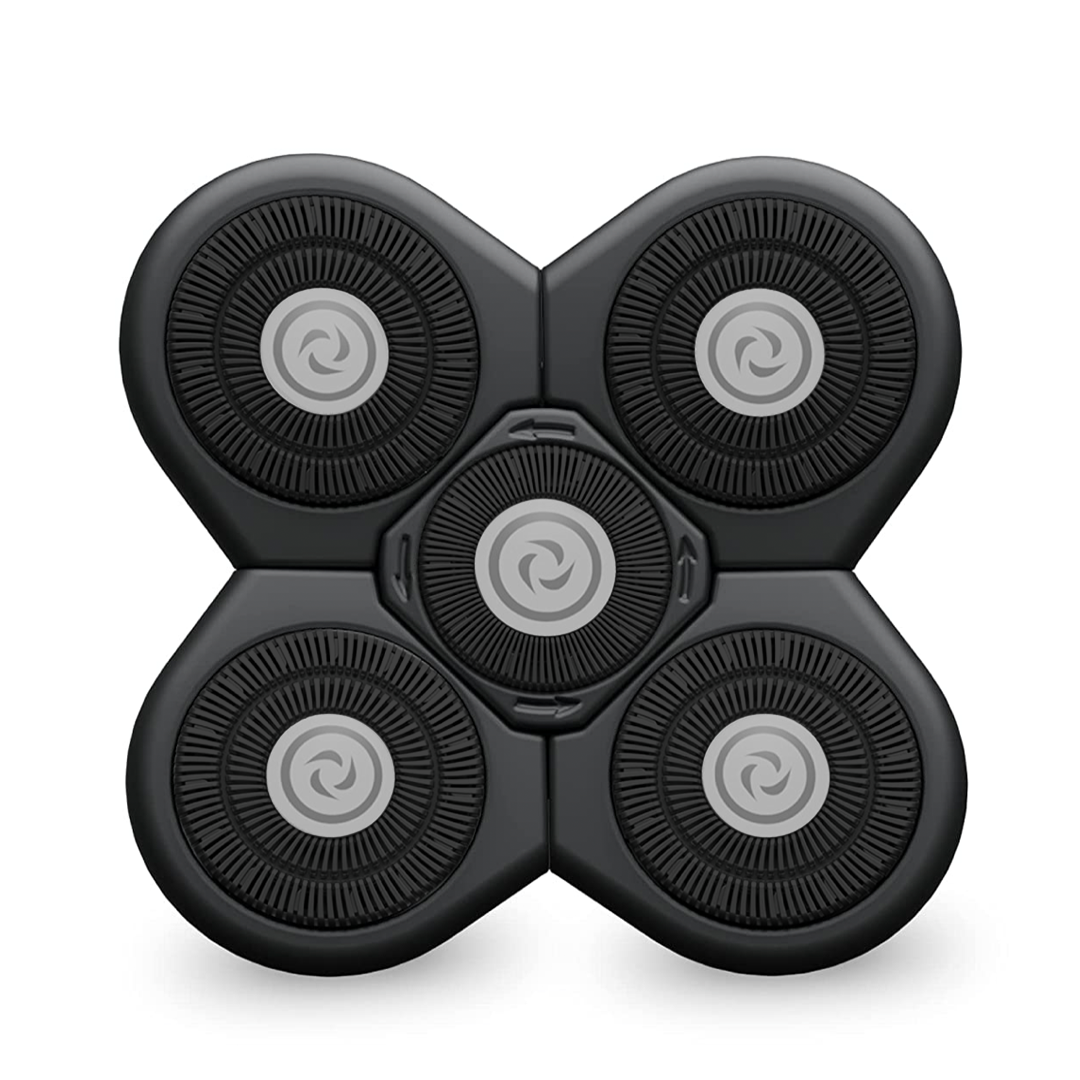
The tool matters here, too. A dull blade tends to drag rather than cut cleanly, raising the odds of nicks and ingrown hairs no matter which look you're going for. The BaldiePro™ Kit, for example, pairs SmoothShave™ blades with an exfoliation brush and pre-shave massager for prepping skin before you shave, whether you're maintaining a beard neckline or going clean-shaven.
Frequently Asked Questions
Is It More Attractive to Have a Beard or Not?
Attractiveness is subjective and depends on personal taste and face shape. Some people find beards more rugged, while others prefer clean lines. Neither option is objectively better: what matters is how confident you feel wearing it. Many people switch styles as their career, confidence, or personal taste changes over time.
Does No Beard Mean Less Testosterone?
No. Growth is influenced by testosterone and genetics, but choosing to shave doesn't lower your hormone levels. Plenty of people with high testosterone shave regularly, and plenty of light beard growers have normal hormone levels. Facial hair thickness comes down to genetic sensitivity, not hormones themselves.
Do Beards Get Thicker With Age?
Often, yes, to a point. Beard density can improve through your twenties and thirties as follicles mature, but genetics set the ceiling, and growth tends to plateau after a certain age. Diet, sleep quality, stress levels, and overall health may also play a role in how quickly and evenly a beard fills in.
Is It Healthier to Have a Beard or Be Clean Shaven?
Neither is inherently healthier: both carry their own skin care demands. Beards can trap bacteria and oil if not cleaned regularly, while frequent shaving raises the risk of razor burn. Consistent hygiene matters more than which option you choose. Regular washing and moisturizing really go a long way either way.
Choose the Look That Fits Your Lifestyle, Confidence, and Grooming Routine
Beard or clean shaven, the right choice comes down to your skin, your schedule, and how you want to show up every day. Both options come with real upkeep, so pick the one you'll stay consistent with.
Ready to simplify your routine either way? The BaldiePro™ Kit gives you the tools to keep your skin healthy and your grooming sharp, whether you're keeping a beard or going clean shaven.