





 Free Shipping
 60 Day Trial



A Guide to the Best Shavers and Techniques for a Smooth Head Shave

The shaver you choose and the small adjustments you make to your technique matter more than following a rigid set of steps. If you've already got the basics down but still get an inconsistent finish, that usually comes down to your tool or your approach rather than effort.
Here are the best head shavers and techniques that make all the difference in your head shaving routine.
Key Takeaways
- Motor power, blade type, waterproofing, hair capture, and battery life matter more than brand name when picking a head shaver.
- A first pass with the grain, followed by a second pass against it, gets you closer without extra irritation.
- Letting the shaver do the work instead of pressing hard prevents flattened blade heads and rough patches.
- Replace your blade around every 60 shaves to keep the cut consistent and protect your skin.
What to Look for in a Head Shaver
Not every head shaver is built the same, and once you know what actually matters, comparing specs gets a lot easier. Here's what to look for:
- Motor power. A stronger motor cuts your shaving time and powers through coarse hair without extra passes.
- Blade or head type. This affects both comfort and closeness. Rotary heads flex to follow your scalp's curves, while foil heads stay rigid and work better on flatter areas.
- Waterproofing. Waterproofing decides how flexible your routine can be. A fully waterproof shaver lets you shave in the shower, at the sink, or completely dry.
- Hair capture. A sealed blade chamber traps hair as you go, so cleanup stays off your to-do list instead of ending up across your sink or shower floor.
- Battery life and ergonomics. A shaver that holds a charge for multiple sessions and sits comfortably in your hand makes it easier to reach the back of your head without switching grips halfway through.
Once you've got those five down, comparing specs is easy. The BaldiePro™ Kit runs at 10,000 RPM, which is a solid benchmark when you're sizing it up against other head shavers designed for scalp contours.
Rotary, Foil, or Manual: Choosing Your Head Shaver Type
Once you know what to look for, the type of shaver you pick comes down to your hair, your skin, and how much time you want to spend on your routine. Most people land on one of three options.
|
Shaver Type |
Best For |
Pros |
Cons |
|
Rotary |
Curved areas like your scalp |
Follows contours easily, fast full-head coverage |
Less precise for detail work like sideburns |
|
Foil |
Flat areas and sensitive skin |
Closer cut on flat surfaces, gentle on sensitive skin |
Struggles with curves, needs more passes on a scalp |
|
Manual razor |
Detail work and touch-ups |
Very close cut, low cost |
Higher risk of nicks, more prep and cleanup |
No single shaver type, manual, foil, or rotary shaver, is objectively better on its own. It comes down to your skin sensitivity and how much of your scalp is flat versus curved.
The BaldiePro™ Head & Body Shaver: What Sets It Apart
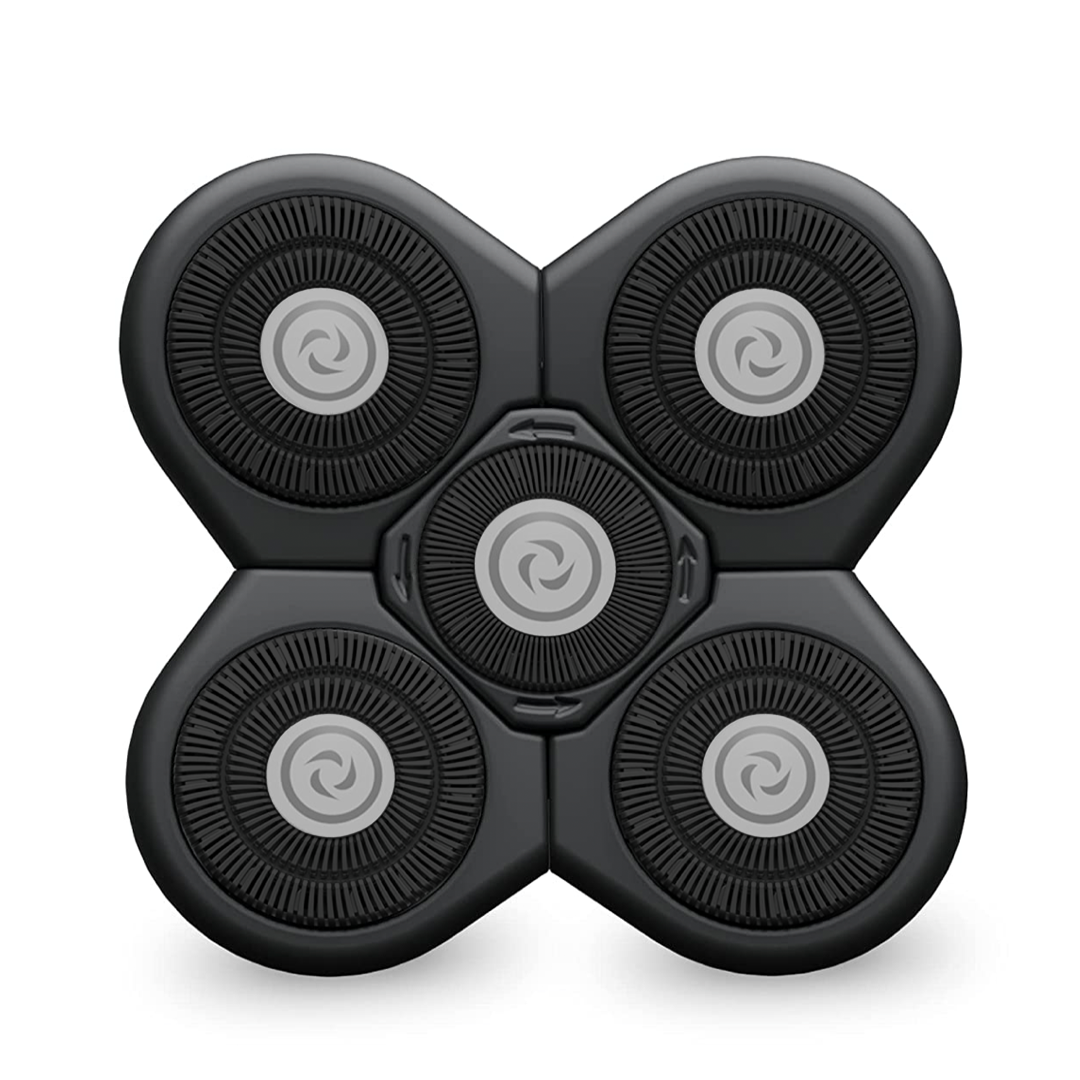
As a rotary shaver, the BaldiePro™ Head Shaver Kit follows the curves of your scalp perfectly. Groomie®'s SmoothShave™ technology helps it cut close in around three minutes, and the MessFree™ blade chamber captures hair as you go instead of leaving it across your sink or shower. It's also fully waterproof, so you can shave wet or dry depending on your routine.
5 Techniques That Actually Improve Your Shave
1) With the Grain First, Against the Grain Second
Shaving in the direction of your hair growth is gentler on your skin and lowers your risk of irritation. Shaving against the grain gets you closer to the root, but it's rougher on your scalp if you go straight in without a first pass.
The easiest approach is a first, lighter pass with the grain, then a second pass against the grain over any remaining stubble.
Circular motions on a rotary shaver naturally cover both directions, so you don't have to think about switching angles mid-shave.
2) Let the Motor Do the Work
More pressure doesn't get you a closer shave. It usually just means more friction and more irritation by the time you're done.
Guide the shaver across your scalp and let the blades and motor handle the cutting. Easing off the pressure matters even more on a rotary shaver, where pressing too hard can flatten the flexible heads against your skin instead of letting them follow your scalp's curves.
3) Adjusting for Moles, Scars, and Cowlicks
Run your fingers over your scalp before you start so you know where any moles or scar tissue sit. Ease off the pressure around these spots and go slower rather than trying to shave straight over them.
Cowlicks and areas where hair grows in a different direction need a change in angle, not more pressure. Tilt the shaver slightly to follow the direction the hair is actually growing in that spot instead of forcing your usual pattern.
4) Shave In or Right After the Shower
Warm water softens hair and loosens your skin, making the whole shave easier regardless of which shaver you're using. Shaving during or right after a shower gets you there without adding a separate step to your routine.
If you're shaving dry, a quick warm rinse beforehand still helps, even if you skip the full shower.
5) Know When to Replace Your Blade
A dull blade drags instead of cutting cleanly, which is one of the most overlooked reasons for a rough or uneven shave. If you're using the BaldiePro™, plan to swap the blade after around 60 shaves to keep the cut consistent.
Signs your blade needs replacing sooner include more tugging than usual, patches that need repeated passes, or a shave that feels rougher than it did a few weeks ago.
Matching Head-Shaving Technique to Your Skin and Hair Type
How you shave your head and the technique should flex a little depending on your skin and hair type:
- Sensitive skin: Stick to a single pass with the grain, skip the second pass against the grain, and lean on a foil shaver or gentler rotary setting if irritation is a regular issue.
- Coarse or curly hair: Expect to spend a little longer per session. A two-pass approach, with the grain, then against, usually gets you fully smooth where a single pass falls short.
- First-timers: Give your scalp a few weeks to adjust to a new shaver, especially if you're switching from a manual razor. It's normal for the first several shaves to feel different before your skin settles into the routine.
- Frequent shavers: If you're shaving every 2–3 days, lighter pressure and a single pass are usually enough since you're not dealing with much regrowth each time.
Beyond the shave itself, building a grooming routine that fits your skin and schedule is what makes the results stick.
Frequently Asked Questions
How Do I Shave the Back of My Head by Myself?
Use a handheld mirror angled against your bathroom mirror so you can see what your hands are doing, or rely on slow, overlapping circular motions and go by feel. Positioning two mirrors at an angle can help you catch blind spots near your crown and the nape of your neck. Going slower here matters more than anywhere else on your head, since it's easy to miss a patch without a clear line of sight.
Is It Better to Shave Your Head Wet or Dry for a Smooth Finish?
Both work, and it depends on your skin and your shaver. Wet shaving in the shower can feel gentler on sensitive skin, while dry shaving is faster and easier to check for missed spots in a mirror. If you're prone to irritation, a warm shower pass followed by a light aftershave serum tends to give the smoothest results. A waterproof shaver gives you the option to do either.
How Often Should You Replace Your Head Shaver Blades?
As a general guide, plan on swapping the head shaver blade around every 60 shaves to keep the cut consistent. Dragging, tugging, or a rougher finish than usual are all signs it's time to swap sooner. Rinsing the blades after each shave also helps them last their full lifespan before you need to replace them.
Is a Higher RPM Motor Always Better?
Not necessarily. A higher RPM motor cuts through coarse hair faster and often means fewer passes, but it's not the only factor in a smooth shave. Blade sharpness, hair capture, and how well the shaver follows your scalp's contours all play a role too. A high RPM motor paired with a poorly designed head won't outperform a well-balanced shaver with a lower number.
The Right Setup Makes the Real Difference
A smooth head shave isn't about following a stricter checklist. It comes down to picking a shaver suited to your scalp, then adjusting your technique as you go.
The BaldiePro™ Kit is built around exactly that pairing; a design that follows your scalp's contours, plus a sealed blade chamber that keeps cleanup to a minimum, so the shaver does its part while you handle the technique. It also ships free and comes with Groomie®'s 60-day trial, so you can test it in your own routine first.