





 Free Shipping
 60 Day Trial



Razor vs. Trimmer: What’s the Difference & Which Should You Use?

Visit any personal grooming store, and you'll be overwhelmed by the options for razors, trimmers, clippers, and shavers. Often, these terms are used interchangeably, adding to the confusion.
Which one fits your needs? To put it simply, razors are made for close, smooth finishes. Trimmers are designed for controlling hair length and shaping. Let's take a look at how each tool works and when to use it to help you avoid irritation, uneven lines, and a sloppy finish.
How Razors Work and When They’re Best
A razor uses a very sharp blade to remove hair as close to the skin as possible.
Simple, right? Sure, in theory. But it's a broad category that includes several different types:
- Manual blade razors (can be either cartridge or safety)
- Straight razors
- Electric razors
No matter what type you use, the goal is the same. To cut hair at or slightly below skin level to give you smooth, hair-free skin.
When Razors Are Best
A razor is useful when you want:
- Clean-shaven looks. If you want a completely smooth face or scalp, a razor is the right tool.
- Bald head maintenance. For those shaving their heads regularly, razors give a polished finish that clippers and trimmers can't match.
- Defined edges. For sharp necklines and borders, razors can achieve precision that most trimmers can't.
A razor gives you the closest possible shave, with a smooth finish. However, they are often harder to use, with a high risk of irritation, and require more frequent maintenance.
If you want completely smooth skin with zero hair, a razor is the way to go.
How Trimmers Work and When They’re Best
Trimmers cut hair slightly above the skin instead of right up against it. They use guarded blades or adjustable settings to give you a specific hair length.
That makes them useful for:
- Beard shaping
- Stubble maintenance
- Sideburns
- Body grooming
When Trimmers Are Best
- Maintaining stubble and short beards. A trimmer can give you a consistent length across your entire face or scalp.
- Beard maintenance. Trimmers let you shape facial hair with precision, and don't remove too much hair.
- Quick touch-ups. Trimmers are fast and easy to use, and don't require shaving cream. That means you can make quick adjustments easily.
Trimmers offer a lower irritation risk, greater safety for sensitive skin, and adjustable length control. However, they can't achieve the completely smooth shave that a razor can. Often, they will leave visible shadow and stubble.
Which Is Better for Beard Edges and Line-Ups?
Both razors and trimmers can help you maintain a clean beard edge. But they work in different ways.
A trimmer helps you to define the general shape of cheek lines, necklines, and sideburn transitions. They help you control how much you remove, making it easy to avoid accidents.
Still, nothing sharpens borders like a razor. That's why combining both tools will give you the best results.
Which Is Better for Bald Heads and Close Shaves?
If you want a close shave or a completely smooth scalp, a razor is the only way to go.
A trimmer can cut your hair short, but it won't get rid of the stubble completely. You'll still be able to feel that rough texture.
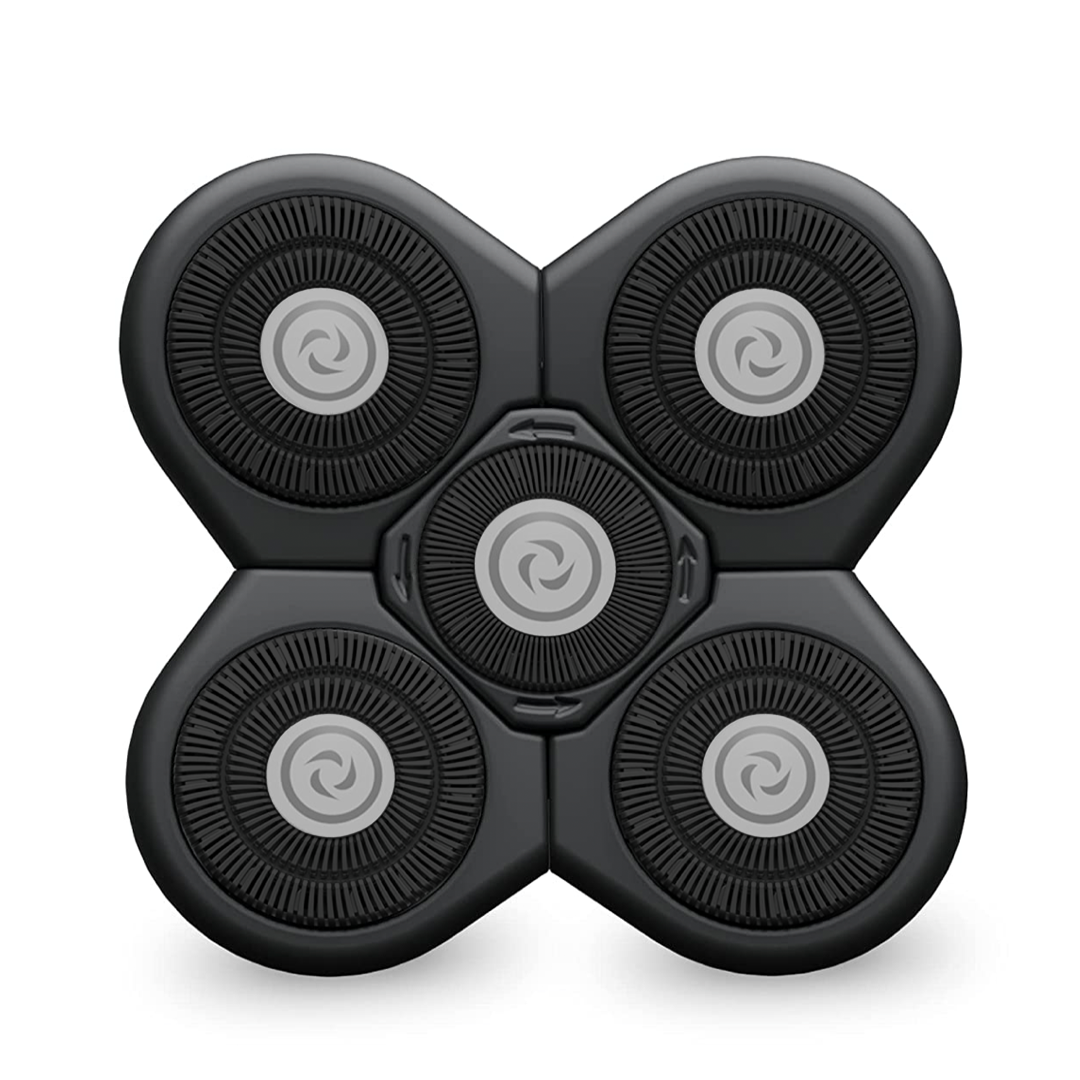
Shaving your head with a bladed razor can be tricky, and it's easy to cut yourself. But an electric rotary razor designed specifically for head shaving makes things much easier. They offer flexible heads that conform to the scalp, close cutting without blade scraping, and faster full head coverage.
For a polished, smooth scalp, an electric head shaver is the perfect choice.
Skin Sensitivity, Irritation, and Safety Differences
If you have sensitive skin, it may influence your choice of trimmer versus razor.
Razors cut close to the skin, and actually cut hair below it. They give you the closest possible shave, but they can also lead to razor burn, cuts, ingrown hair, and post-shave irritation. That's why many people choose electric razors over traditional ones, as they reduce these risks.
Trimmers rarely touch the skin directly. Instead, they cut just above the skin. That makes them safer for sensitive skin, better for beginners, and less likely to cause ingrowns.
The right electric razor like the Groomie® BaldiePro™ can give you the best of both worlds, offering a truly close shave without the irritation.
Maintenance, Blade Life, and Long-Term Costs
Maintaining your equipment is another thing to think about when making your choice.
An old-fashioned manual razor has a blade that needs regular replacement. Cartridge razors can last a couple of weeks, depending on how often you use them, and are very easy to change, but they can get expensive.
Electric razors require cleaning after each use. You'll also want to replace the head every six months to once per year to keep the blades sharp.
Trimmer blades tend to last longer because they don't cut flush with the skin. That doesn't mean they're maintenance-free, though. You'll need to brush out hair, charge batteries, and occasionally oil the machinery.
Can You Use Both? Why Most Men Benefit From a Two-Tool Routine
For some tasks, it makes sense to use two different tools to achieve your goals.
For example, you could use a trimmer two to four times per week to control the length of your hair, then use a razor for weekly cleanup or when you want to completely smooth shave. Trimmers are fast and easy to use, and may be all you need if you're in a hurry. But when you want a proper close shave, nothing matches a razor.
Using both tools allows you to get the best of both worlds. You'll have the speed and efficiency of a trimmer with the precision of a razor.
How to Choose the Right Tool for Your Grooming Style
How do you choose the right tool? Think about what you're trying to achieve.
If you want skin-level smoothness, a razor is the answer. If you’re shaving your head bald, an electric rotary razor is perfect.
For controlled stubble and beard shaping, a trimmer is ideal. They’re also useful for those with sensitive skin.
Frequently Asked Questions
What’s the Difference Between Clippers and Trimmers?
Clippers are designed for cutting longer hair in greater quantities. These are what barbers use to give haircuts. Trimmers are smaller and more precise, and are good for detailing, edging, and maintenance.
How To Use a Nose Hair Trimmer?
Insert the trimmer gently into your nostril, and don't go deep. Move it around in small circular motions. Make sure to clean the attachment after each use.
How To Use an Electric Trimmer?
Start with clean, dry hair. Choose your desired hair length with the guard, if it has one. Move the trimmer against the direction of your hair growth, using only light pressure.
How Do You Use a Straight Razor?
A straight razor can give an amazing shave, but it requires skill and practice. Soften your hair with warm water and shaving cream. Hold the blade at a 30° angle. Use short, controlled strokes. Use your free hand to gently stretch the skin to create a smooth surface. Practice cautiously, as these razors can easily cut you if used improperly.
Upgrade Your Grooming Routine With the Right Tools
The right tools make all the difference. That starts with knowing what you want to do and the right tool to achieve it.
Trimmers are good for quick maintenance and shaping, while a razor is what you want for truly smooth skin. Take a look at the electric razors offered by Groomie® to find the perfect tool for your grooming regimen.