





 Free Shipping
 60 Day Trial



How to Oil Clippers & Clipper Blades for Best Performance

Having your own hair clippers at home is a handy way to keep on top of your personal grooming, but how often do you take care of your clippers? Adding just a couple of drops of clipper oil is one of the best ways to keep your gear working well.
Let's take a look at how to oil your clippers the right way and keep them performing at their best.
Why Oiling Your Clippers Matters
It's easy to forget about the need to oil your clippers. But the blades in a clipper move back and forth at extremely high speed. Without lubrication, metal rubs directly against metal, and that creates friction and heat.
That causes several problems, including:
- Blades becoming dull prematurely.
- Clippers getting hot during use.
- The motor having to work harder.
- Blades pulling and snagging on hair.
- Cutting performance declining.
A thin coating of oil can prevent all these problems. Proper lubrication lets the blades glide smoothly, and it also prevents rust and corrosion.
Ultimately, even the best clippers are only as good as the care you take of them, and regular oiling is a big part of that.
What You’ll Need to Oil Your Clippers
If you've never done it before, oiling your clippers can sound like a demanding task, but it really isn't.
Here’s what you'll need:
- Oil (obviously).
- A clean microfiber cloth.
- A small cleaning brush.
- Your clippers.
Some people also use a can of compressed air to blow trapped hairs out of hard-to-reach areas before they begin.
The most important thing is using the right oil. Clipper oil, or a suitable clipper oil alternative, is specifically designed to lubricate high-speed blades without leaving heavy residue behind or damaging the components inside the equipment.
Step-by-Step: How to Oil Clippers
Step 1: Turn Off and Unplug Your Clippers
Always turn off and unplug corded clippers before you start working on them.
For cordless clippers, make sure they are completely powered off before cleaning or oiling. You don't want them to accidentally activate while you're handling the blades, so remove the battery if possible. If not, be careful.
Step 2: Remove Hair and Debris
Before you apply the oil, make sure to clean the clipper blades. Use a small cleaning brush to clean between the blades, around the teeth, and into the clipper housing. Hair buildup prevents oil from reaching where it needs to, so make sure you get as much of it gone as possible.
If your clipper blades are removable, this makes it easier to clean underneath them.
Step 3: Disinfect the Blades If Necessary
Disinfecting your blades is a good idea, especially if your clippers are used by multiple people. Barbers use specific blade cleaning sprays that can help kill bacteria and remove residue from the blades themselves. Make sure you let them fully dry before you add the oil.
Step 4: Apply Oil
Usually, clippers don't need a lot of oil. One drop on each outer edge of the blade and one drop in the center is usually enough. Depending on how big the blades are, you're looking at only 2–4 drops in total.
Don't make the mistake of thinking that more oil is better. Using too much oil can attract hair and debris, which will create buildup over time that clogs the blades.
Step 5: Turn the Clippers on
Once the oil is applied, turn the clippers on for a few seconds. Running them for a few seconds distributes the oil evenly across the moving surfaces.
Step 6: Wipe Away Excess Oil
After the oil spreads, wipe away excess with a clean cloth. You don't want the blades to be dripping oil. They should just be lightly lubricated.
Step 7: Store Clippers Properly
After you’ve oiled your clippers, store them somewhere dry and clean. High humidity can cause blade corrosion, so keep them somewhere that moisture can't get to them.
7 Signs Your Clippers Need Oil
- Blades feel hot quickly— Clippers get warm during use, but they shouldn't feel hot to the touch. If they do, it might be the excess friction that comes from a lack of oil.
- They sound louder than usual— A dry clipper will often produce a buzzing or rattling sound.
- Hair starts pulling or snagging — Poor lubrication makes cutting less efficient.
- Uneven cutting — Dry or poorly maintained blades can miss hairs or cut inconsistently.
- The motor struggles — Sometimes, you'll hear the motor straining as it works harder to move dry blades.
- Blades look dry or dull — Well-maintained blades usually have a slight sheen from proper lubrication.
- Rust and corrosion — Oil helps to keep blades from rusting. If you see rust on the blades, it might be a sign you're not oiling frequently enough.
How Often Should You Oil Clippers?
How often you should oil depends on how frequently you use your clippers.
Professionals like barbers who use their clippers throughout the day often oil the blades several times in a single day. They may even oil them between each client.
For personal home use, though, you can oil after every 3–4 uses. You should also remember to oil blades after performing any deep cleaning on your clipper, or any time the blades start to sound loud or feel hotter.
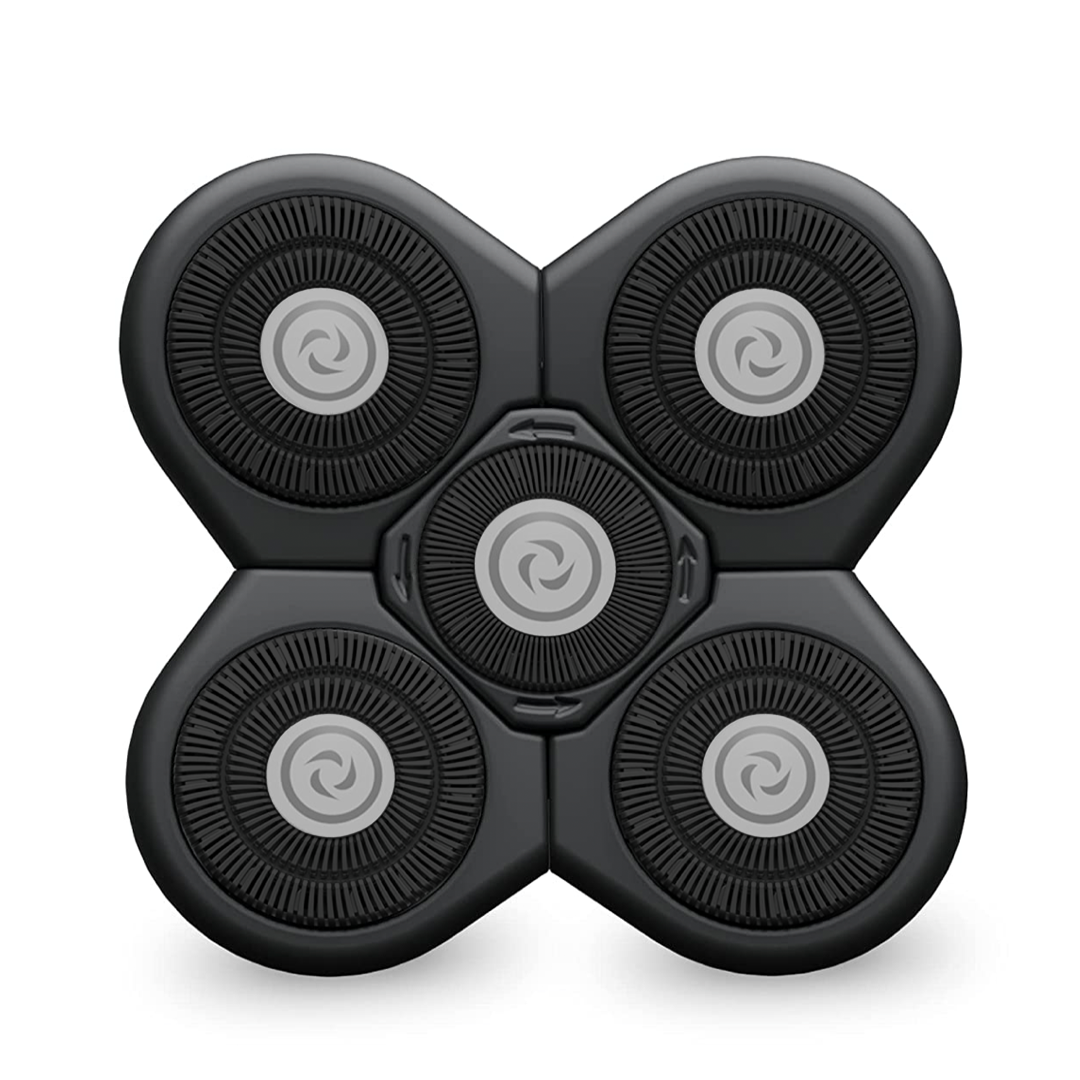
If you’re using your clippers for regular head shaving several times a week, you'll need to oil at least once per week, or possibly a couple of times. It’s also worth looking at the best head shavers for men to upgrade your tools.
Do Electric Shavers Need Oiling?
Some electric shavers do need to be oiled, while others can operate more or less maintenance-free. Rotary shavers and foil shavers can sometimes benefit from occasional lubrication if the manufacturer recommends it.
You should always check the manual before applying oil to an electric shaver, because some don't need it.
Frequently Asked Questions
Can You Use Household Oil on Clippers?
Avoid using household oils like vegetable oil, coconut oil, or motor oil. These products are often too thick and will clog the precision moving parts inside your clipper. Only use specific clipper oil for the best results.
Can WD-40 Be Used on Hair Clippers?
WD-40 is not a proper substitute for clipper oil. It can displace moisture and temporarily loosen debris, but it’s not designed to be used inside electric clippers.
Do You Oil Clippers Before or After Use?
Professionals tend to oil clippers before using them, while many home users oil them after. Really, either approach works, as long as you remain consistent in your lubrication routine.
Well-Maintained Blades Deliver Better Results
Regular oiling is part of keeping your clippers well-maintained and performing at their best. Properly lubricating your blades means your clippers will run cooler, cut more smoothly, pull less, and give you a better cut.
Whether you use them for beard trimming, haircuts, or head shaving, developing good maintenance habits makes a noticeable difference.
Explore our men's head shavers for smooth performance with next to no maintenance.