





 Free Shipping
 60 Day Trial



Do Electric Razors Cause Acne? Causes, Fixes & Prevention Tips

Have you ever noticed pimples appearing after shaving? Often, a breakout will follow a shave, which makes it easy to believe that your electric razor is causing acne.
The truth is more complex. Electric razors don't directly cause acne, but improper shaving technique, poor hygiene, irritation, and clogged pores can all trigger breakouts. And shaving improperly, or without the right equipment, can make these breakouts worse.
Let's break down what's really happening, and how you can prevent it.
Do Electric Razors Actually Cause Acne?
No, electric razors don’t cause acne. At least, not by themselves.
Basically, acne happens when the pores of your skin become clogged with oil, dead skin cells, and bacteria. An electric razor won’t change your skin's oil production or bacterial levels.
At the same time, it's true that shaving can create conditions that make clogged pores and inflammation more likely.
Shaving can:
-
Create friction and micro-irritation
-
Spread bacteria around if the razor isn't clean
-
Push debris into pores
-
Aggravate inflamed skin
So, your electric razor alone isn't going to cause acne. But it might make the situation worse if you don't use and maintain it properly.
How Shaving Can Trigger Breakouts
Shaving affects the outer layer of your skin where acne forms. Electric razors cause less skin irritation than a manual razor, but where there's movement, there’s a possibility for friction. You can expect:
1. Microtears and Irritation
Shaving can cause tiny disruptions in the skin barrier. This increases inflammation, and inflamed skin is more likely to break out.
2. Pore Blockage
Shaving can push dead skin cells into pores. These blocked pores then react by developing pimples. That's why it's important to regularly cleanse your face, especially before shaving.
3. Bacterial Transfer
A dirty razor head can introduce bacteria to freshly shaved skin. That makes pimples more likely.
4. Inflammation of Existing Acne
Shaving over active breakouts can make them worse. It can make acne more noticeable by increasing skin redness and irritation, and may turn small pimples into bigger spots.
Fortunately, most of these triggers are very preventable with good hygiene and care during your shaving.
Electric Razors vs Blade Razors: Which Is Better for Acne-Prone Skin?
If you're trying to avoid skin irritation (and why wouldn't you?), an electric razor is often a better option than a traditional blade razor.
Blade razors cut hair below the level of the skin, which increases the risk of ingrown hairs. Often, they require shaving cream and multiple passes, both of which can add to skin irritation. Plus, there's the possibility of cutting yourself if you aren't careful.
Electric razors cut the hair at the skin level, or even slightly above. That means a reduced risk of ingrown hairs. They typically require less pressure, and it's almost impossible to cut yourself with one. Because they sit on the surface of the skin, they are less irritating. That makes electric shavers a smart choice for anyone prone to acne.
Common Reasons You Break Out After Using an Electric Razor
If you commonly break out after shaving, several factors might be causing it. Look at things like:
You're shaving irritated skin: Shaving inflamed skin can amplify the irritation. Irritated and broken skin is more prone to acne breakouts.
Your razor is dirty: Bacteria can build up inside shaving heads. Shaving then moves these bacteria around your face, making acne breakouts worse.
You're pressing too hard: Pressing hard against the skin causes more friction, which leads to inflammation.
You're not exfoliating: Dead skin buildup is one of the leading causes of clogged pores. Keeping your face clean, especially before shaving, will go a long way to reducing the risk of acne breakouts.
You're not doing post-shave care: Soothing and hydrating products help your skin heal after shaving and maintain a healthy skin barrier. Breakouts will be less common and less severe if you take good care of your skin after you shave it.
How to Shave Without Causing Acne or Irritation
Once you know the causes of acne and skin irritation, and how shaving can impact them, you can develop a step-by-step approach that lets you shave acne-prone skin safely.
Cleanse First
Before you begin, wash your face or scalp with a gentle cleanser. This will remove excess oil, dead skin cells, and bacteria so that you can start with a clean slate.
Shave Healthy Skin
Where possible, try to avoid shaving over highly inflamed skin or cystic acne. You may need to carefully shave around active breakouts instead of directly over them.
Use Light Pressure
The harder you push, the more you irritate your skin. Let the razor do the work and let it glide over your skin, without applying too much pressure.
Keep The Razor Clean
Make sure to remove hair buildup and rinse or brush out debris after every shave. Make it a habit to deep clean the razor head on a regular basis—once a week is a good idea.
Use Soothing Post-Shave Products
Fragrance-free, alcohol-free formulas with calming ingredients like aloe vera can help your skin recover and stay healthy. Groomie®’s Face & Scalp Aloe Serum is a one-and-done solution, leaving your skin silky-smooth and ultra hydrated.
Pre- and Post-Shave Skincare for Acne-Prone Skin
Pre-shave
-
Cleanse your skin with a gentle product like Groomie® Natural Pre-Shave Oil
-
Use lukewarm water, not hot
-
Avoid harsh exfoliants right before shaving
Post-shave
-
Rinse your skin with cool water
-
Apply a calming serum or gel
-
Moisturize with an oil-free product
Why Razor Hygiene and Maintenance Matter
It's important to keep anything that touches your skin clean. Electric razors can collect skin cells, hair clippings, oil, and sweat. This mixture can become a breeding ground for bacteria.
Regular maintenance stops your razors from adding to your acne problem. Plus, looking after your shaver adds to its lifespan. You should:
-
Brush out hair after every use
-
Rinse detachable heads
-
Deep clean once a week
-
Replace shaving heads when needed
When Acne After Shaving Might Be Something Else
Shaving doesn't cause acne, but it can make an existing situation worse. However, not every bump is acne. Some other conditions can look like acne but have different causes:
Razor Bumps
These occur when hair curls back into the skin, and are especially common with people who have tightly curled hair. Also known as pseudofolliculitis barbae, it causes itchy red bumps that look like pimples.
Folliculitis
Bacteria or friction can cause hair follicles to become inflamed, leading to this irritating condition.
Contact Dermatitis
Some shaving products or fragrances may cause an allergic reaction that reddens your skin. If bumps on your face are itchy or painful, you might want to consider the possibility that it’s caused by irritation rather than traditional acne. When that's the case, adjusting your shaving technique and products can solve the problem.
The Smarter Approach: Low-Irritation Electric Shaving
Modern electric razors are designed to minimize friction and reduce the need to pass over the same area multiple times. That makes them much less likely to cause the skin irritation that can lead to acne.
A good electric shaver features:
-
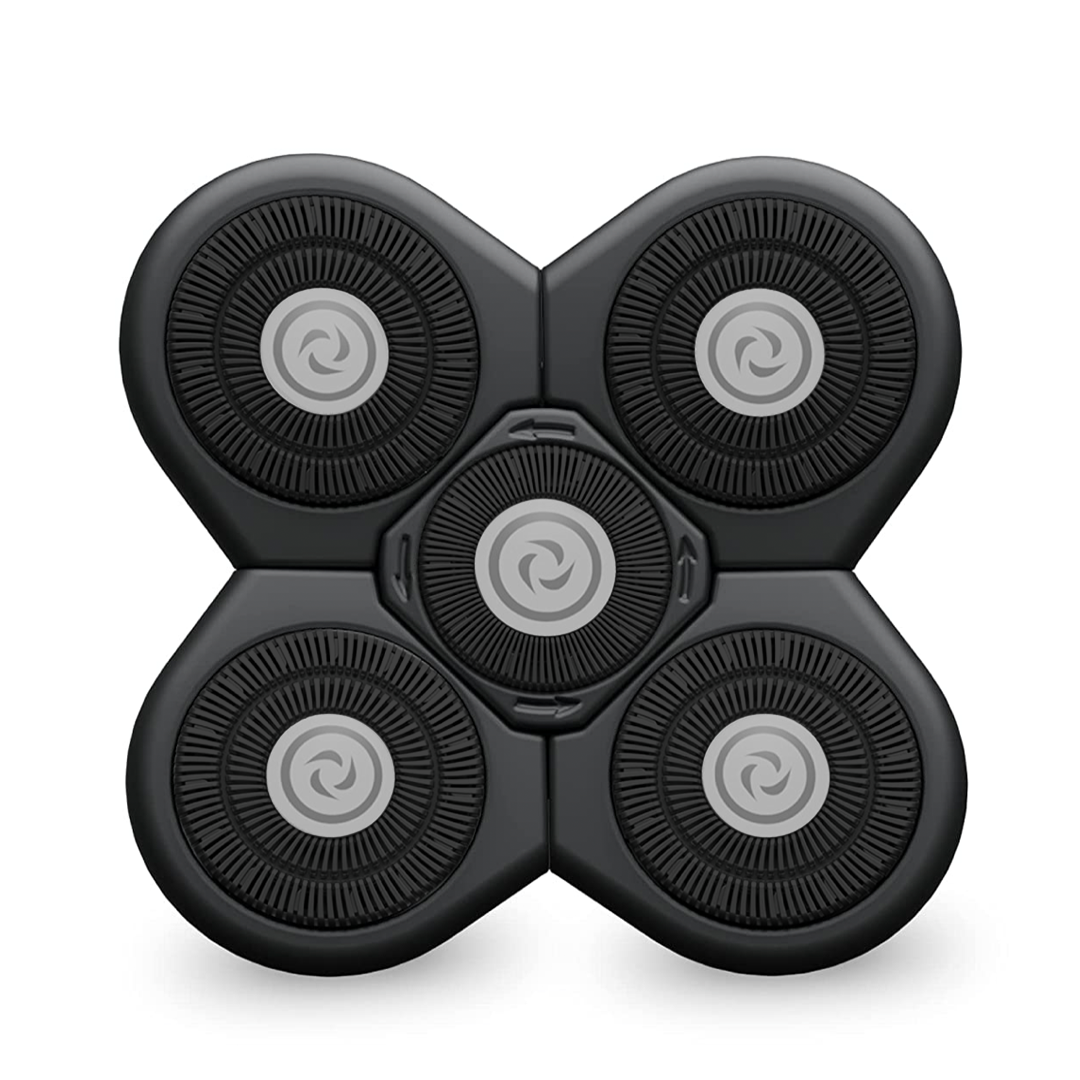
Multiple rotating heads
-
Flexible contours to follow your face or scalp
-
Low-friction coating systems
-
An ergonomic grip for lighter pressure
These features give you efficient cutting with minimal disruption to your skin.
Why Groomie® Head Shavers Are Designed for Sensitive Skin
Groomie® head shavers are designed with sensitive skin in mind. They offer:
-
A rotary shaving system that glides over skin
-
Multidirectional heads to reduce repeated passes and conform to the contours of your body
-
Efficient cutting without pulling
-
An easy clean design for better hygiene
By cutting hair close to the skin without aggressive blade scraping, Groomie® shavers minimize irritation. Whether you’re shaving your face, your head, or anything else, the right tool makes all the difference.
Frequently Asked Questions
How to Shave with Acne?
Shave gently with light pressure, and avoid shaving directly over inflamed or cystic acne. Cleanse your skin before shaving, use a clean electric razor, and apply a soothing moisturizer afterward.
What’s the Best Men’s Electric Razor for Sensitive Skin?
Look for a rotary-style electric razor with flexible heads and minimal friction. If you’re shaving your head, models designed specifically for scalp shaving will give you smoother results and less irritation.
Do Electric Razors Cause Ingrown Hairs?
Manual razors are more likely to cause ingrown hair than electric shavers because they cut hair closer. Still, poor technique or hygiene can contribute to ingrown hair, even with an electric shaver.
How To Prevent Acne After Shaving?
Keep your razor clean. Use light pressure while shaving. Avoid alcohol-based aftershaves. Moisturize daily. These simple steps will reduce breakouts after shaving and keep your acne under control.
Final Thoughts: Shaving Smarter for Clearer Skin
Electric razors don't directly cause acne. In fact, they can be a lot better for acne-prone skin than a traditional blade razor. At the same time, even an electric shaver used improperly can contribute to irritation, bacteria, and breakouts.
Your shaving routine can prevent this. Supporting your skin barrier with proper pre- and post-shave care will dramatically reduce irritation that can cause flare-ups. Maintaining razor hygiene will also help you maintain clear skin.
It also matters what kind of shaver you use. Think about upgrading your routine with a specially designed head shaver like those from Groomie®. A close shave doesn’t have to mean irritation. Using the right tools makes your grooming easier on your skin, giving you a sharper, more polished look.